Women of Hunza: The Strength, Grace, and Untold Stories of Pakistan's Mountain Women
Beyond the breathtaking mountains and crystal-clear rivers of Hunza lies another extraordinary story: the women who have preserved its traditions, strengthened its communities, and helped shape its future.
The Women Behind the Beauty of Hunza
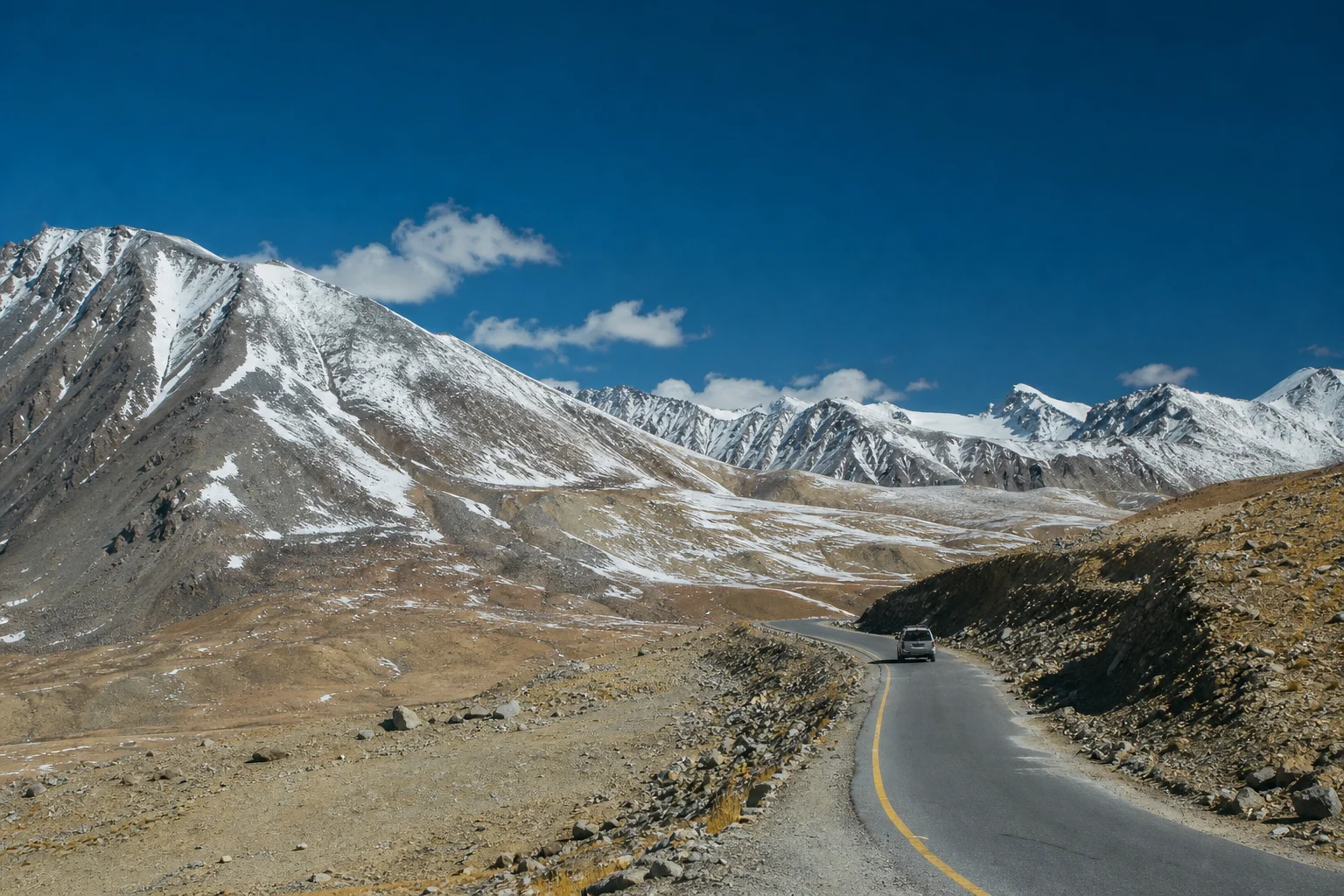
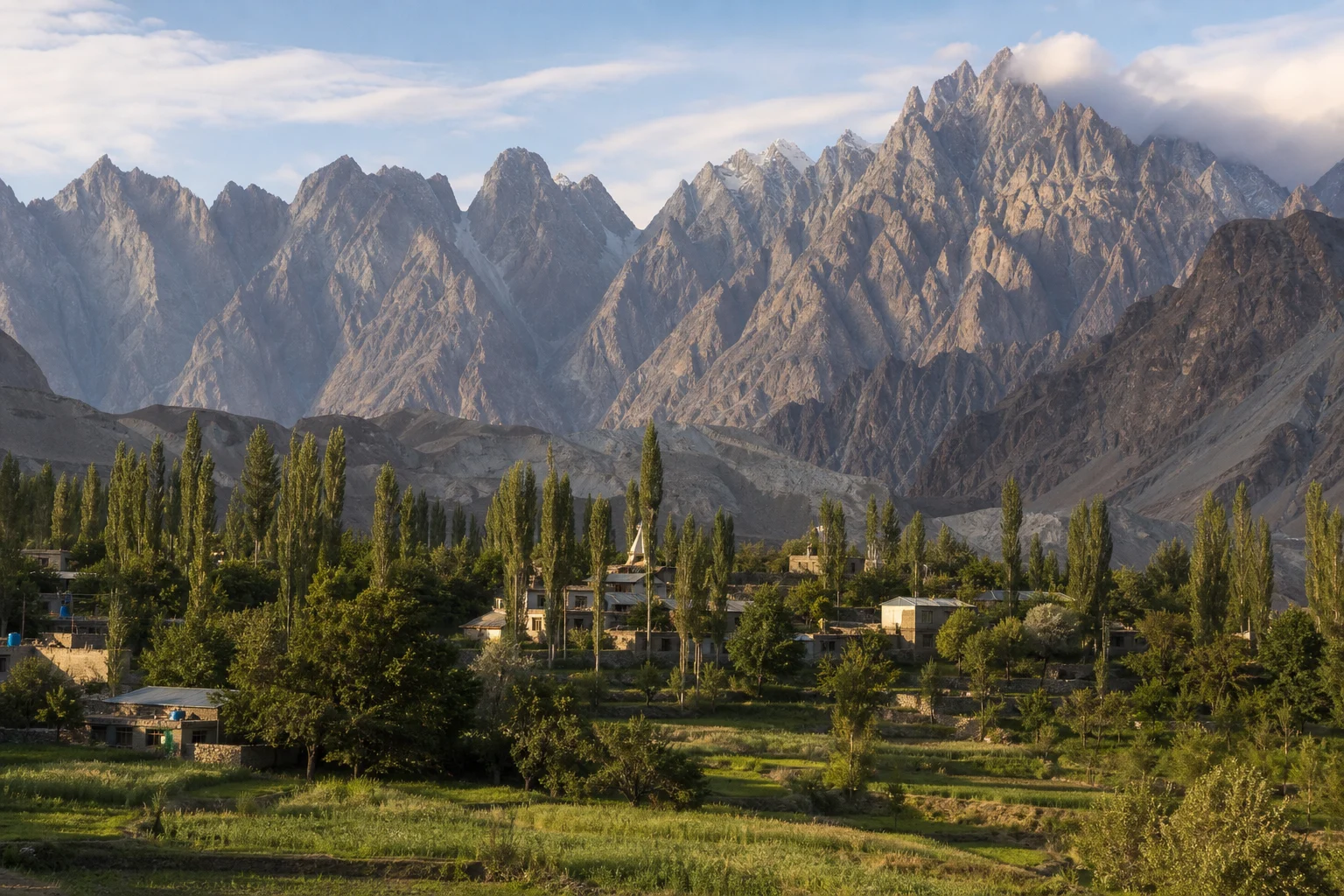
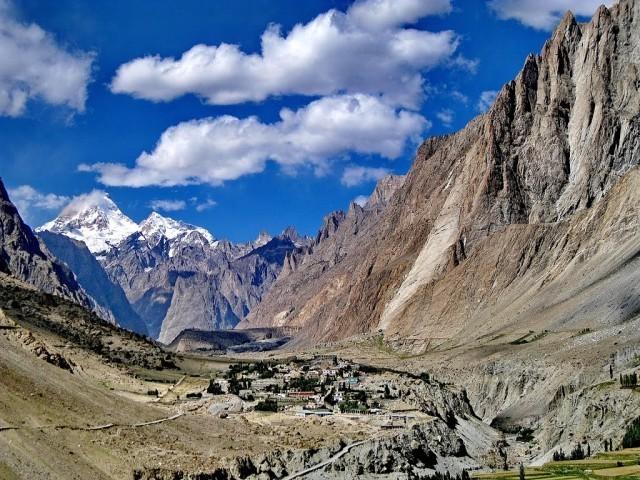
When people think of Hunza, they often imagine snow-covered mountains, ancient forts, turquoise lakes, and picturesque villages surrounded by apricot orchards. Located in Gilgit-Baltistan, in northern Pakistan, this beautiful valley has attracted travelers from around the world.
But beyond the extraordinary landscapes lies a story that deserves equal attention: the story of the women of Hunza.
They are mothers, daughters, teachers, farmers, artists, entrepreneurs, and community leaders. They carry the knowledge of generations while embracing opportunities that their grandmothers could scarcely have imagined.
Their lives tell a story of determination, education, cultural pride, and transformation.
In a region where the mountains shape everyday life, women have long contributed to the survival and development of their communities. Today, their influence extends beyond households and agricultural fields into classrooms, businesses, tourism, technology, and skilled professions.
The women of Hunza are not simply part of the valley's beauty. They are among the people who have built and sustained it.
A Culture Rooted in Tradition and Respect
Hunza is home to several linguistic and cultural communities, including speakers of Burushaski, Wakhi, and Shina. Although their customs differ, these communities share a deep connection with the mountains, their ancestral villages, and the traditions passed down through generations.
Women play an important role in preserving this cultural identity.
From traditional clothing and embroidery to local food, family histories, and community celebrations, women have helped carry the knowledge of the past into the present.
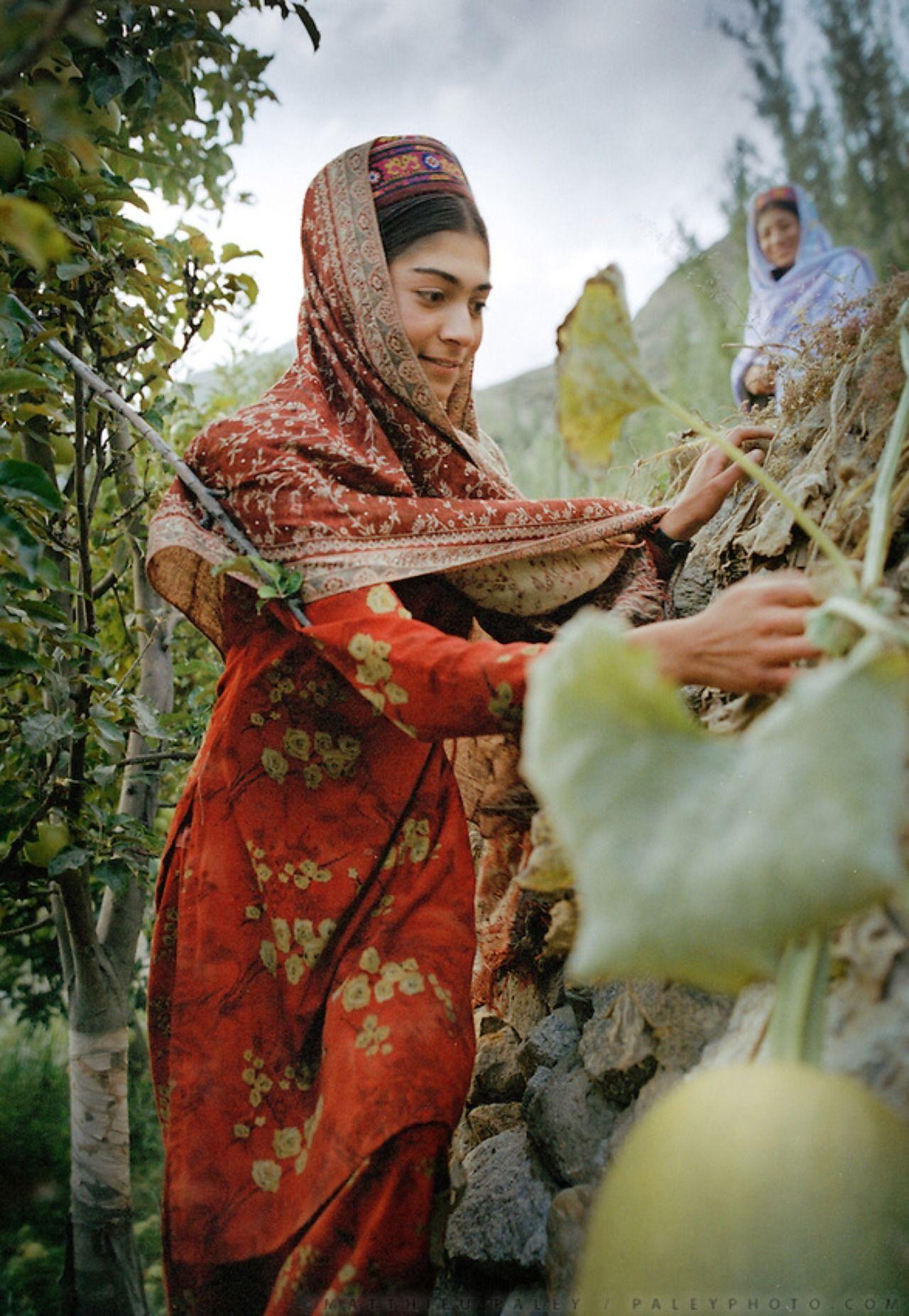
One of the most recognizable elements of women's traditional clothing is the beautifully embroidered Hunza cap.
Often decorated with intricate geometric and nature-inspired patterns, these caps represent a distinctive form of regional craftsmanship. Their designs may feature flowers, birds, trees, and other motifs connected to the surrounding environment.
The colorful caps, elegant shawls, and traditional dresses are more than decorative garments. They reflect a cultural identity shaped by centuries of mountain life.
At weddings, festivals, and family celebrations, traditional clothing becomes a visible connection between generations.
A grandmother teaching her granddaughter embroidery is not merely passing on a skill. She is preserving a small but meaningful part of Hunza's history.
Education: The Beginning of a Quiet Revolution
One of the most significant developments in Hunza's modern history has been the expansion of education, particularly for girls.
For generations, the region's geographical isolation made access to schools and professional opportunities difficult. Villages were separated by mountains, roads were limited, and harsh winters could interrupt everyday life.
Yet education gradually became a major priority for many families and community institutions.
A particularly important milestone came in 1946, when the Aga Khan family's educational initiatives helped establish a girls' school in Hunza. Subsequent investments in education contributed to the valley's educational development and created opportunities for women to pursue professional careers.
The effects of these changes can be seen across the region.
Women who might once have had limited educational opportunities are now pursuing careers in teaching, healthcare, engineering, business, and other professional fields.
Education has also influenced family expectations. Many parents increasingly recognize that educating daughters can strengthen the future of the entire household.
However, progress should not be mistaken for universal equality. Educational opportunities and economic circumstances still vary between communities, households, and remote settlements.
The transformation of Hunza is an ongoing story, rather than a completed achievement.
From Traditional Skills to Modern Entrepreneurship
For centuries, women in Hunza contributed to household economies through farming, food preservation, weaving, embroidery, and other practical skills.
These activities were essential to family survival, even when they were not recognized as formal employment.
Today, many women are transforming traditional knowledge into independent sources of income.
Handmade clothing, embroidered caps, shawls, carpets, dried fruit products, and locally produced crafts have become part of a growing entrepreneurial culture.
The development of tourism has also opened opportunities for women to establish cafés, guesthouses, handicraft shops, and other small businesses.
Some entrepreneurs combine traditional products with modern marketing, reaching customers beyond their villages.
Others are entering professions that were once considered unsuitable for women.
These changes are not simply about earning money. They can also give women greater influence over household decisions, their children's education, and their own futures.
The Aga Khan Rural Support Programme has supported entrepreneurship and skills development in the region, including initiatives intended to help aspiring entrepreneurs establish sustainable businesses.
For many women, entrepreneurship offers a way to remain connected to their communities while building financial independence.
The Women Who Rebuilt History: The Story of CIQAM
One of the most remarkable examples of women's empowerment in Hunza can be found near the historic Altit Fort.
Here, women have challenged traditional occupational boundaries by learning carpentry, masonry, surveying, plumbing, and other technical skills.
The initiative, known as CIQAM, began in 2003 under Aga Khan Cultural Services Pakistan.
Its early activities were connected to the restoration of Altit Fort, one of Hunza's most significant historical landmarks.
Women received training in professions that had traditionally been dominated by men.
Over time, the initiative expanded into other areas, including hospitality and cultural enterprises.
Aqeela Bano, who began as a young trainee and later became a professional surveyor and organizational leader, has described the challenges women faced while entering these professions.
The story of CIQAM demonstrates how heritage conservation can create opportunities for the people who live around historic sites.
The women involved were not merely preserving an ancient building. They were also creating new possibilities for themselves and future generations.
In June 2025, an AFP report published by Dawn documented another example: entrepreneur Bibi Amina's carpentry workshop, which employed 22 people and had trained approximately 100 women.
These stories show that women's economic participation in Hunza extends far beyond traditional handicrafts.
The Women Who Keep the Mountains Alive
Long before tourism became an important part of Hunza's economy, agriculture was central to everyday life.
The valley's terraced fields and orchards produce apricots, apples, cherries, walnuts, and other crops.
Women have traditionally contributed to planting, harvesting, food preparation, and the preservation of agricultural products.
During the warmer months, families prepare for the long mountain winter by drying fruit and storing food.
Apricots are particularly associated with Hunza's agricultural heritage.
Fresh apricots are enjoyed during the harvest season, while dried fruit can be stored and consumed throughout the year. Apricot kernels are also used to produce oil for local culinary purposes.
Behind these familiar products lies a considerable amount of labor.
The women who harvest fruit, prepare food, maintain households, and care for family members contribute to the continuity of mountain life.
Their work is often less visible than the tourist attractions that bring visitors to the region, but it remains essential to the valley's identity and economy.
The Beauty of Hunza Women: Beyond Popular Myths
Hunza women have frequently attracted attention in travel writing and popular media because of their traditional appearance, colorful clothing, and the valley's reputation for healthy living.
Unfortunately, this attention has sometimes produced exaggerated stories.
Claims that Hunza women remain young for unusually long periods, routinely live beyond 100 years, or possess a secret formula for eternal beauty are often repeated without reliable demographic or medical evidence.
Such claims can distract from the much more meaningful stories of women's actual lives.
The beauty of Hunza's women should not be reduced to physical appearance or supposed biological secrets.
It is also reflected in their craftsmanship, cultural knowledge, professional achievements, and contributions to their communities.
An elderly woman who has spent decades preserving traditional embroidery carries a different kind of beauty.
A young teacher helping girls pursue education represents another.
A woman establishing her own business or entering a technical profession reflects yet another dimension.
Their stories deserve recognition for what they reveal about human experience, rather than for sensational claims about youth and longevity.
Women and the Changing Face of Tourism
Tourism has transformed many parts of Hunza.
Karimabad, Altit, Gulmit, Passu, and other communities welcome visitors who come to experience the region's landscapes, food, architecture, and traditions.
Women are increasingly participating in this changing economy.
Some operate cafés and guesthouses, while others produce handicrafts, manage small shops, or develop locally inspired products.
These businesses can create employment while introducing visitors to Hunza's culture through the perspectives of local residents.
However, tourism also creates challenges.
Income can fluctuate dramatically between seasons, and small businesses may struggle with financing, infrastructure, and unpredictable visitor numbers.
Extreme weather and flooding can threaten buildings, roads, and livelihoods.
A feature published in Youlin Magazine described how severe flooding in 2025 destroyed a women-led café in Hunza, forcing its founders to suspend operations while community members worked toward recovery.
Stories like this remind us that entrepreneurship in mountain communities requires more than ambition.
It also depends on access to infrastructure, financial support, environmental protection, and the ability to recover from disasters.
The Challenges Behind the Progress
Although Hunza is often celebrated for women's education and economic participation, it is important not to romanticize life in the valley.
Mountain communities face practical challenges that can affect women particularly strongly.
Remote settlements may have limited access to specialized healthcare, higher education, professional training, and reliable transport.
Harsh winters and damaged roads can make travel difficult.
Women establishing businesses may face financial barriers, limited market access, and seasonal demand.
Traditional expectations can also influence which careers or activities women pursue.
These challenges do not erase the progress that has taken place.
Instead, they show why continued investment in education, healthcare, infrastructure, and economic opportunity matters.
The story of Hunza's women is not one of a society without problems.
It is a story of people finding ways to expand their opportunities while navigating the realities of their environment.
A New Generation Writing Its Own Future
Across Hunza, younger generations are growing up with aspirations that reflect both their heritage and the possibilities of a connected world.
Some dream of becoming doctors, teachers, engineers, or researchers.
Others want to establish businesses, work in tourism, develop technology-based services, or preserve traditional crafts.
Their ambitions are not necessarily in conflict with their cultural identity.
A young woman can pursue a modern profession while remaining deeply connected to her language, family, and traditions.
She can study outside her village and return with new knowledge.
She can establish a business inspired by her grandmother's craftsmanship.
She can contribute to the preservation of historic buildings while acquiring modern technical skills.
The future of Hunza will be shaped by how these opportunities develop and whether they remain accessible to women across different communities and economic backgrounds.
The Untold Story of Hunza Is Also the Story of Its Women
Every year, thousands of photographs capture the extraordinary beauty of Hunza.
The towering peaks of Rakaposhi and Ultar Sar, the historic walls of Baltit and Altit forts, the waters of Attabad Lake, and the famous Passu Cones have become symbols of northern Pakistan.
Yet some of the region's most meaningful stories cannot be captured in a landscape photograph.
They are found in classrooms where girls prepare for their futures.
In workshops where women learn new professions.
In orchards where families preserve agricultural traditions.
In small businesses where entrepreneurs turn ideas into livelihoods.
And in homes where older generations share the languages, memories, and customs of their ancestors.
The women of Hunza are not all the same. Their experiences, opportunities, beliefs, and ambitions are as varied as the communities in which they live.
What connects their stories is their contribution to a region whose identity has been shaped by both continuity and change.
Hunza's mountains have stood for millions of years, but the lives of the people beneath them continue to evolve.
To understand the true beauty of Hunza, we must look beyond its mountains and listen to the women whose lives, work, and aspirations are part of its remarkable history.
Untold Story of Pakistan
Discovering the people, places, traditions, and forgotten stories that make Pakistan extraordinary.
Because every place has a story, and every story deserves to be told.